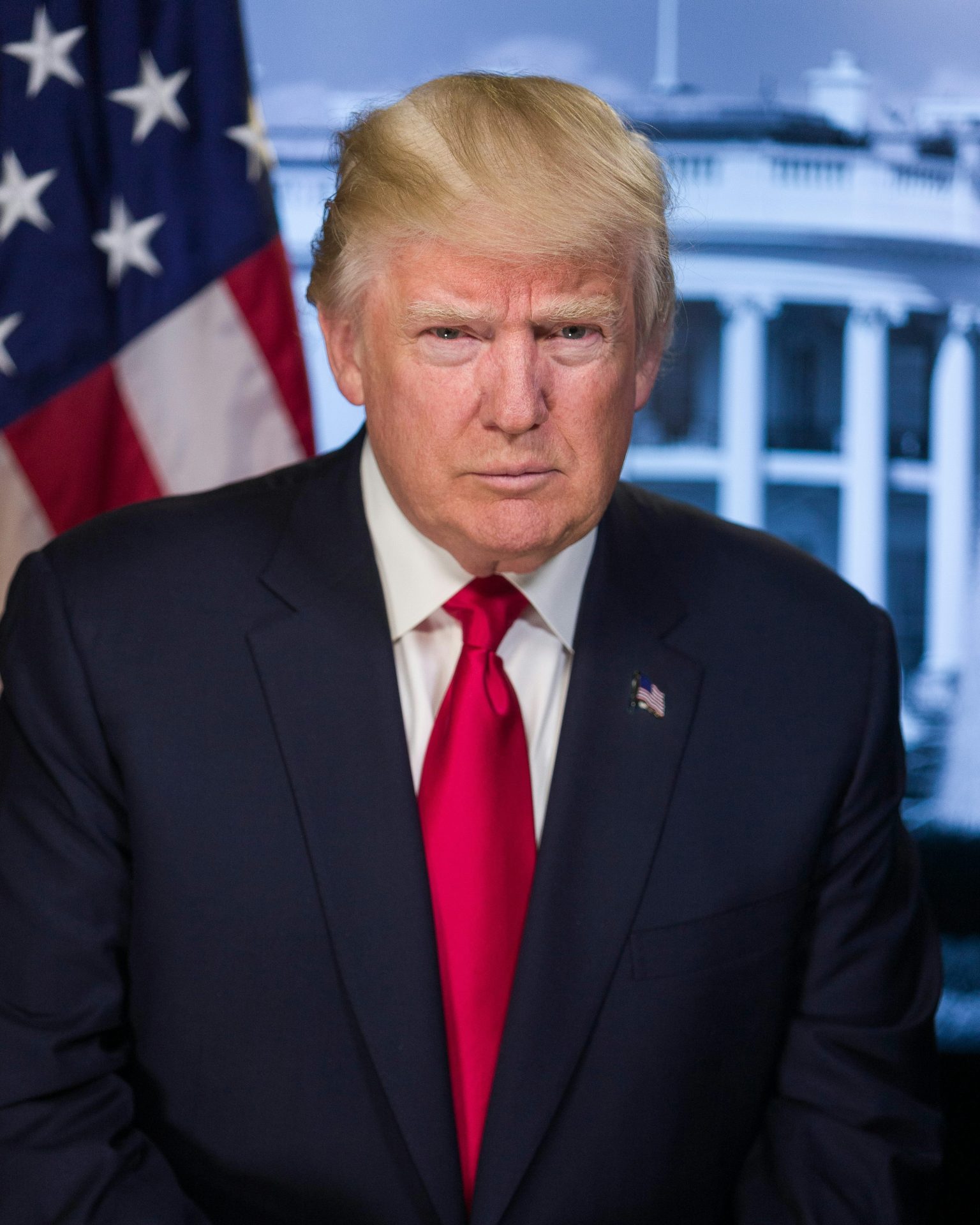
Washington, 18 August (Brussles Morning Newspaper) Donald Trump has said he does not believe Iran will accept the agreement he considers necessary to end its conflict with the United States, while sharply escalating pressure on Oman over negotiations to restore shipping through the Strait of Hormuz. The US president’s comments leave the Trump Iran deal effort facing another uncertain phase after a 60-day negotiating period ended without a lasting settlement.
Trump says Iran is unlikely to accept US demands
Trump made clear on Monday that he sees little prospect of Tehran agreeing to Washington’s terms in their present form.
Speaking to Fox News, the president said he did not think Iran would make the kind of agreement he believes is required. His administration’s central demand remains preventing Tehran from obtaining a nuclear weapon.
The remarks represent a marked change from periods during the past two months when Trump suggested negotiations could still produce a settlement.
Washington has now ruled out simply extending the June arrangement, according to Reuters. That agreement called for an immediate ceasefire and set a 60-day period for the two sides to work towards a broader accord. The framework has since largely broken down, with fundamental disagreements over sanctions, military operations and the Strait of Hormuz still unresolved.
Oman becomes target of Trump’s warning
The most striking part of Trump’s intervention was directed not at Iran, but at Oman.
Muscat has been working with Tehran on arrangements concerning shipping through the Strait of Hormuz. Trump warned that the United States could take military action against Oman if it stood in the way of American objectives, bringing a Gulf partner that has traditionally played a mediating role directly into the dispute.
Oman has repeatedly called for freedom of navigation and diplomatic solutions to regional tensions. In a joint statement issued with Iran in June, the two countries affirmed their commitment to safe passage through Hormuz in accordance with international law while also stressing sovereignty over their respective territorial waters.
The Omani Foreign Ministry said separately in July that the country remained committed to its obligations under the UN Convention on the Law of the Sea and to restoring freedom of navigation.
Strait of Hormuz remains at heart of confrontation
The dispute over Hormuz has become one of the biggest obstacles to a broader Trump Iran deal.
The narrow waterway links the Persian Gulf to the Gulf of Oman and normally carries roughly a fifth of the world’s oil, making disruption there an immediate concern for governments, shipping companies and energy markets.
Iran has demanded concessions including an end to the US blockade of its ports, sanctions relief and compensation for damage caused during the conflict. Trump has rejected Tehran’s demands, while Washington continues to insist that access through Hormuz cannot remain subject to Iranian restrictions.
The consequences are already reaching global markets. Brent crude rose to $91.76 a barrel on Tuesday, its highest level since 30 July, as fading hopes of a diplomatic breakthrough increased concerns about future supplies.
Iran warns it could shift to offensive posture
Tehran is also hardening its public position.
A senior Iranian official told Reuters that Iran could move to a “fully offensive” military posture if diplomacy fails, including operations aimed at breaking the US naval blockade. Washington, meanwhile, has said it will not extend the existing ceasefire framework.
That combination leaves little room for compromise as both governments accuse the other of failing to honour the June agreement.
Trump has rejected suggestions that domestic political pressure ahead of November’s US midterm elections is driving his approach, saying preventing Iran from obtaining a nuclear weapon remains his priority.
What happens now as the 60-day deadline passes?
There is currently no confirmed replacement for the June framework. The 60-day deadline has expired without the wider agreement envisaged when the arrangement was signed, while mediators continue trying to prevent another major escalation.
The immediate focus will be on whether diplomatic channels can remain open and whether Iran and Oman can advance their discussions on Hormuz without triggering further confrontation with Washington.
For the Trump Iran deal, the central disputes have not changed: Iran’s nuclear programme, US sanctions and military pressure, and the terms under which commercial vessels can safely use the Strait of Hormuz. What has changed is the tone, with Trump’s warning to Oman widening a confrontation that had until now been centred primarily on Washington and Tehran.