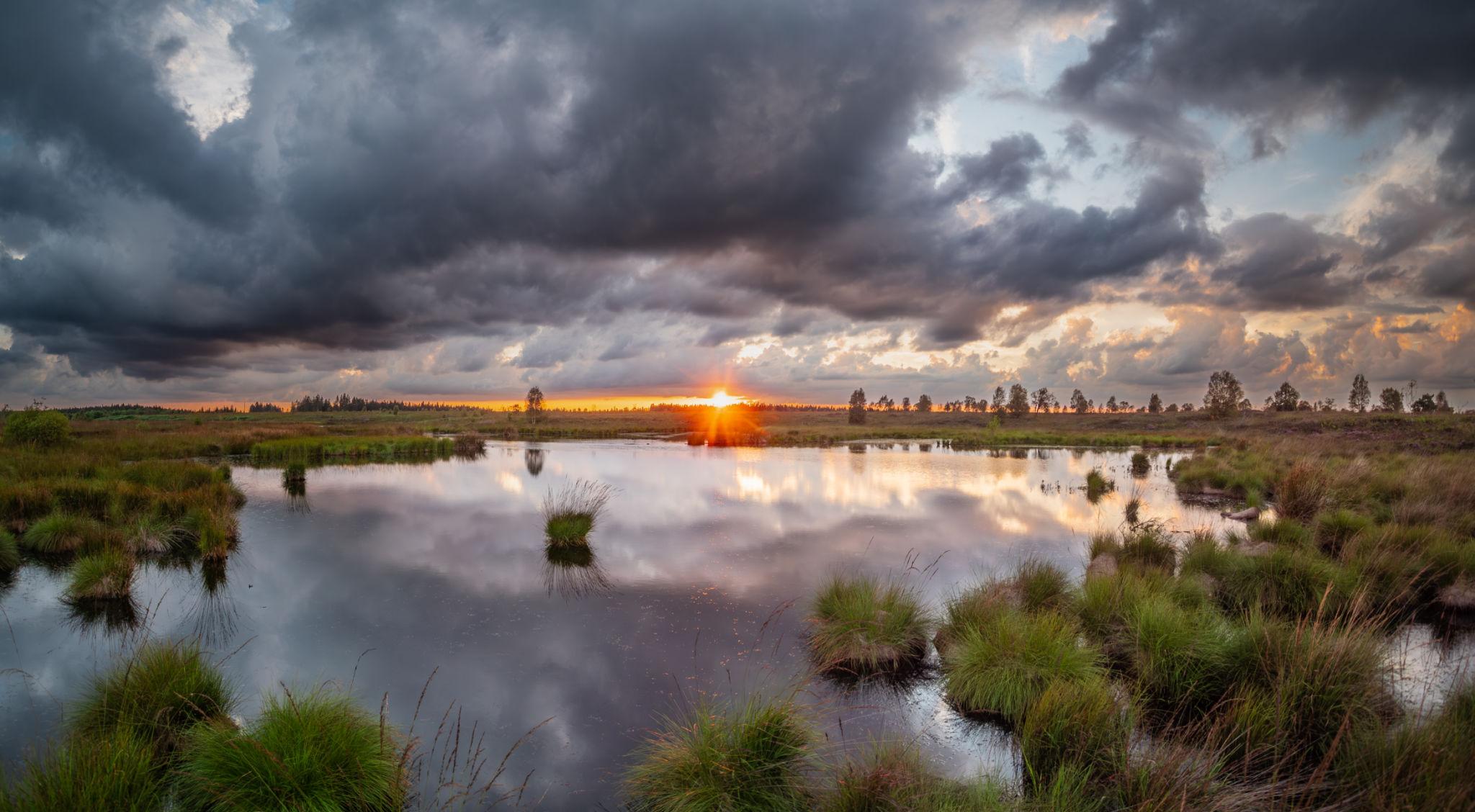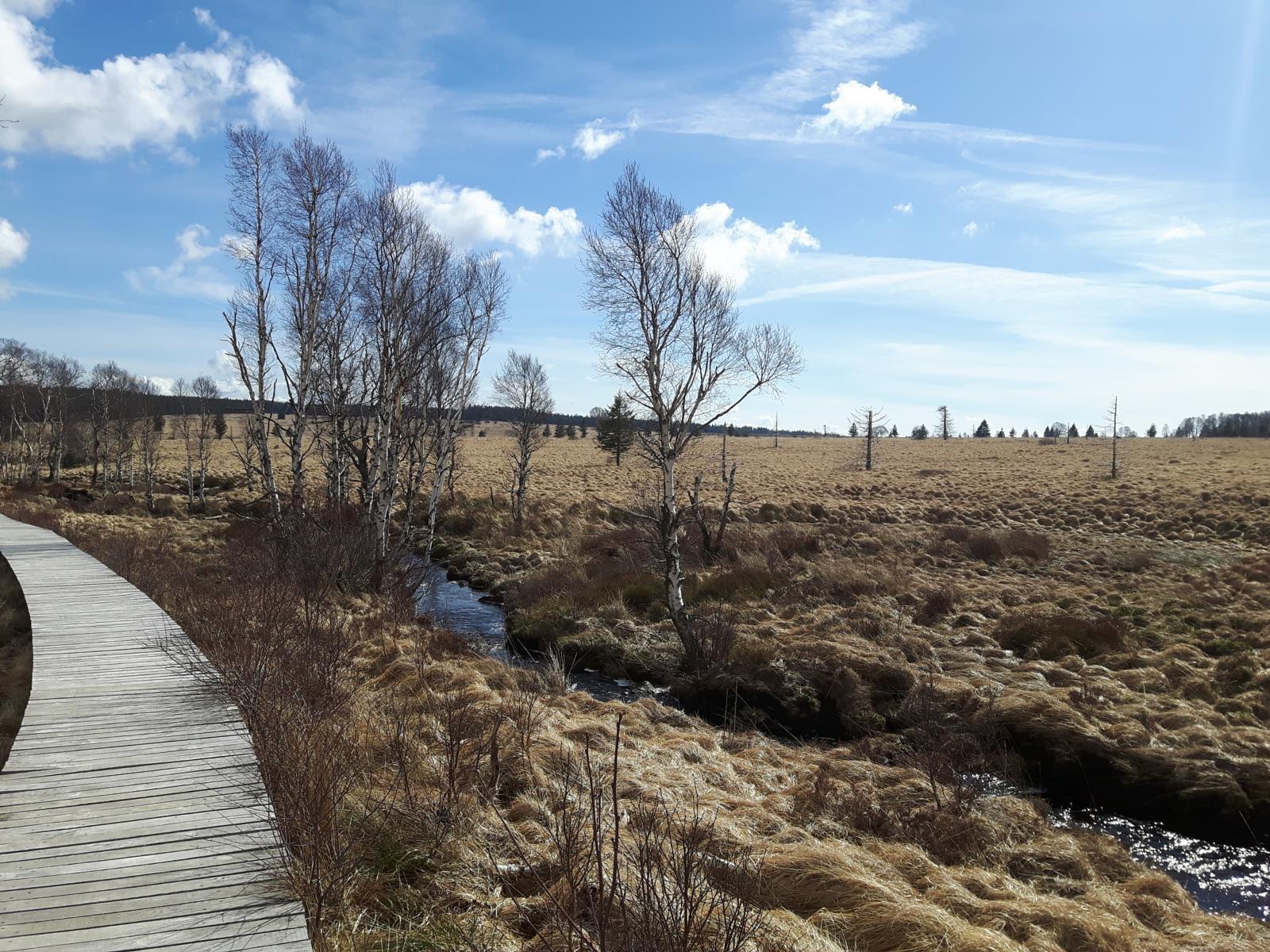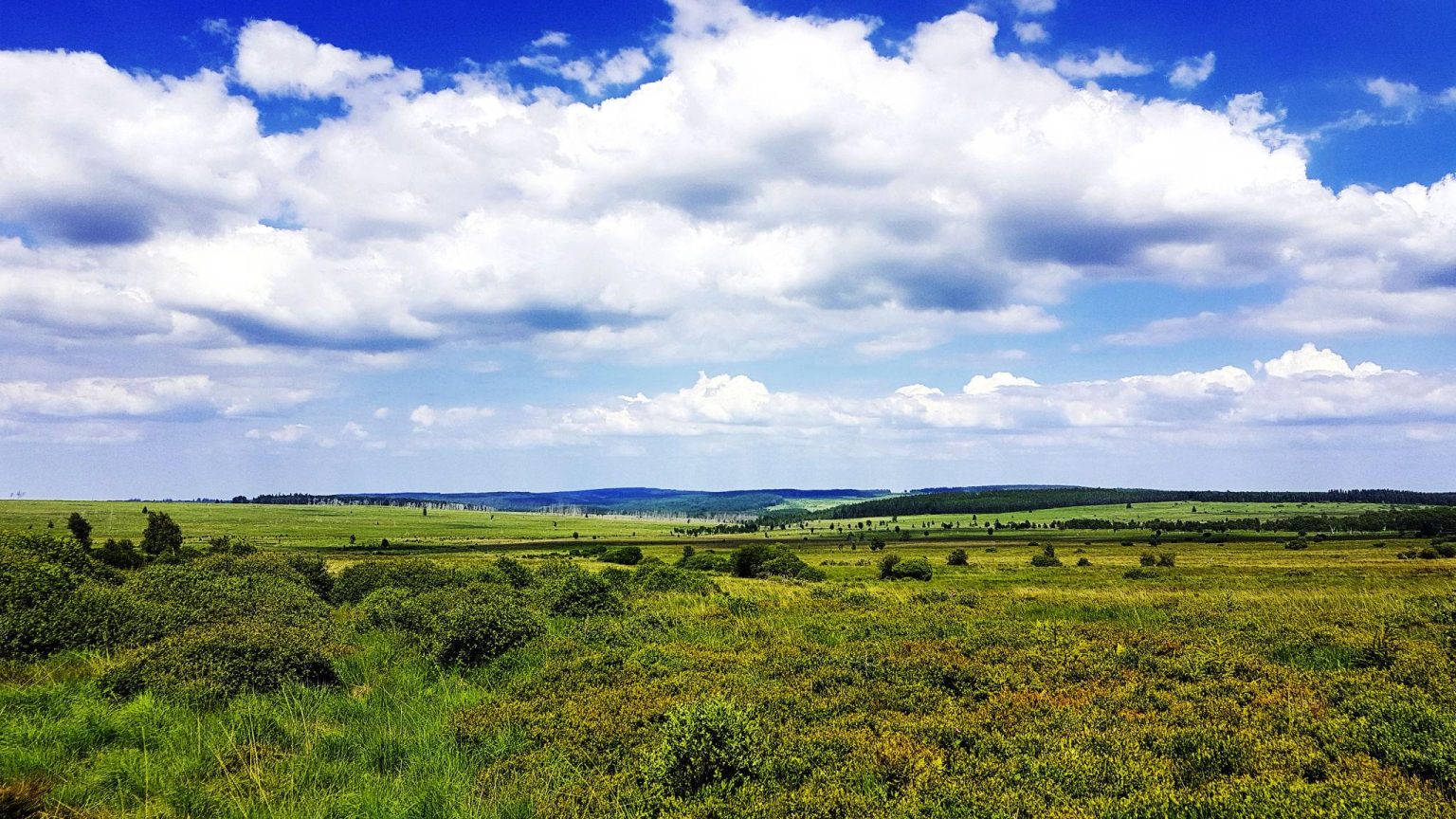
Liège Province, Belgium, 16 August (Brussles Morning Newspaper) Belgium is fighting the largest wildfire in its recorded history after flames tore through around 3,000 hectares of the High Fens, forcing hundreds of people to leave nearby communities and bringing emergency crews from across the border into the battle. The Belgium wildfire remained active on Sunday, with firefighters concentrating on the eastern edge of the blaze as it moved towards Germany.
The fire began on Friday and spread quickly through the dry heathland and peat landscape of the High Fens, one of Belgium’s best-known nature areas. By Sunday, Belgian authorities were directing a large ground and air operation involving firefighters, police, civil protection teams and military personnel, with support from Germany, Luxembourg and other European partners.
Hundreds leave homes as crews protect border villages
About 600 people in Waimes and Bütgenbach were evacuated on Saturday as shifting winds raised fears that flames and heavy smoke could threaten populated areas. Tourists were also advised to leave.
More than 250 emergency personnel were involved in the response by Sunday, according to Liège provincial governor Hervé Jamar. Belgian and German firefighters were working alongside police, soldiers and civil protection teams.
For residents, however, the immediate concern was whether the fire would reach their homes.
Authorities said the defensive line established around evacuated communities was holding and no houses had been affected. Those who had left were nevertheless told not to return while the fire remained active and smoke continued to create dangerous conditions.
Across the frontier, officials in Monschau said they did not expect the flames to cross into Germany but warned that smoke could cause serious disruption. People living in areas closest to the border were advised to leave as a precaution.
European aircraft join the Belgium wildfire response
Belgium requested European assistance as the scale of the emergency became clear.
Three helicopters and two water-bombing aircraft were sent to reinforce the firefighting operation on Saturday. The deployment added crucial aerial capacity to an effort already involving crews from several countries.
Stephanie Ernoux, a spokesperson for the Walloon regional administration, told Reuters that firefighters were concentrating on the section heading towards Germany. Crews were also hoping that lower temperatures and rising humidity would make conditions more favourable for bringing the blaze under control.
The change in weather could prove important. The fire erupted during Belgium’s fifth heatwave of the summer, after prolonged hot and dry conditions left vegetation particularly vulnerable.
High Fens faces its biggest recorded fire
The scale of the destruction has already placed the fire in a category Belgium has not experienced before.
European Forest Fire Information System data cited by Reuters showed that roughly 3,000 hectares had burned, more than twice the area affected during a major High Fens fire in 2011, when close to 1,400 hectares were damaged.
The landscape itself makes the operation difficult. The High Fens contains extensive heathland and peat bogs, where fire can continue burning beneath or close to the surface even after visible flames have been suppressed.
That means containing the perimeter is only part of the challenge. Crews must also guard against hotspots reigniting and starting fresh fires.
Why the fire matters beyond Belgium
The Belgium wildfire has quickly become a cross-border emergency. German communities are dealing with smoke, neighbouring countries have provided firefighters and aircraft, and European resources have been mobilised to support Belgium’s response.
There is also an environmental cost that will become clearer only after the flames have been extinguished. The High Fens is a distinctive protected landscape, and the extent of damage to its peatland, heath and wildlife habitats will require assessment once emergency crews can safely enter burned areas.
For now, protecting communities remains the priority.
What happens next?
Firefighters will continue concentrating resources on the eastern front while maintaining defensive lines around Waimes, Bütgenbach and other communities close to the affected area.
Evacuated residents will remain away until authorities judge conditions safe enough for them to return. Emergency teams will also continue monitoring the German border and the movement of smoke.
Officials hope cooler temperatures and greater humidity will give crews an opportunity to contain the fire. Until then, the operation remains focused on preventing Europe’s latest major summer wildfire from causing further damage to communities on either side of the border.