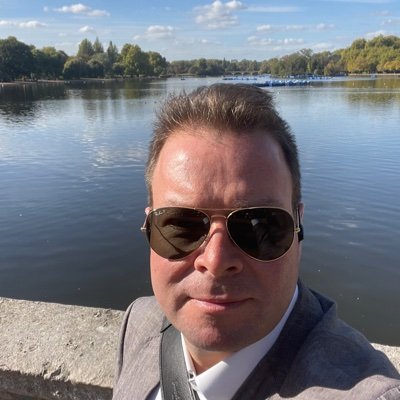
Sir Howard Morrison KC, one of the United Kingdom’s foremost specialists in international criminal and humanitarian law, has taken up the co-chairmanship of a new international advisory council examining three decades of alleged atrocities in the Democratic Republic of Congo.
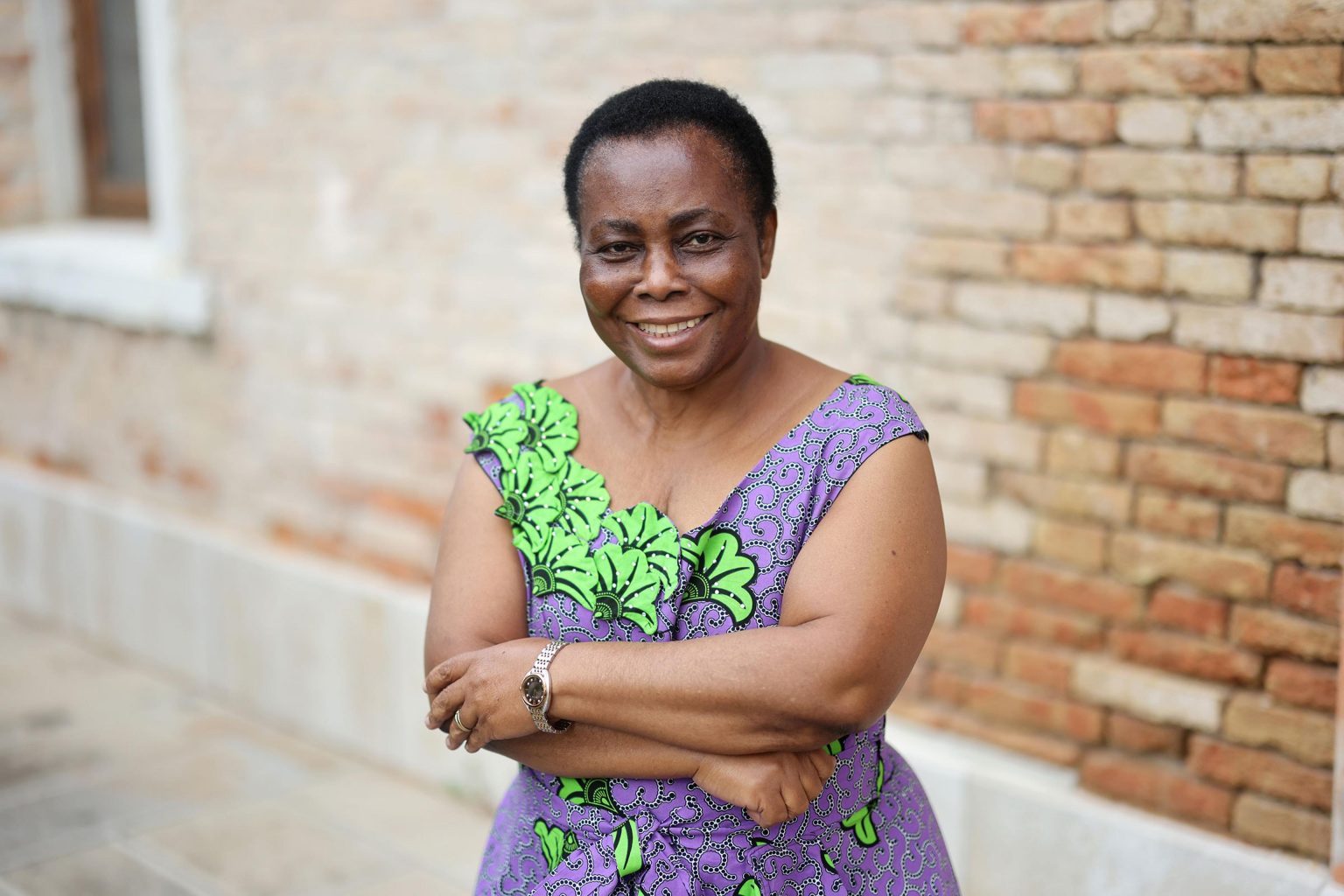
Sir Howard will co-chair the body with Julienne Lusenge, one of Africa’s most prominent advocates for survivors of conflict-related sexual violence. He will join Nina Jørgensen, a British-Norwegian judge on the Appeals Chamber of the Kosovo Specialist Chambers in The Hague and Professor of Public International Law at the University of Southampton, and Pascal Turlan, a French international lawyer who spent nearly two decades at the ICC’s Office of the Prosecutor.
This appointment marks a significant escalation in Britain’s involvement in the pursuit of accountability for a region that has endured what many experts describe as the world’s deadliest crisis since the Second World War.
The Council for the Examination of Atrocities in the DRC (CEADRC), which launched this week, will advise two Congolese institutions, the National Fund for Reparations for Victims of Sexual Violence (FONAREV) and the Interministerial Commission for Victim Assistance and Reform Support (CIA-VAR), as they work towards transitional justice and recognition for victims.
The formation of the CEADRC comes at a critical time for the region and follows mounting pressure for international recognition of the genocides committed in the Democratic Republic of Congo. The International Rescue Committee estimated that approximately 10 million people have died as a result of the conflicts, with 5.4 million deaths recorded during the period 1998–2003 alone. The UN Mapping Report (2010) catalogued hundreds of serious incidents between 1993 and 2003, some of which UN investigators concluded may constitute genocide under the 1948 Convention. Six million people remain internally displaced, and mass graves have been documented throughout the DRC, including in Kisangani, Kivu and Ituri.
Examining the findings of the 2010 UN Mapping Report and recent human rights violations in the ongoing conflict in eastern DRC, the Council will provide expert insight into the legal and diplomatic processes required to secure formal recognition of atrocities committed over the last three decades, and accountability for their perpetrators.
For Sir Howard Morrison, this role is the latest in a career in international law spanning nearly five decades.
He began as a UK barrister before serving as a judge at the International Criminal Tribunal for the former Yugoslavia, where he presided over the trial of Radovan Karadžić, and subsequently as a judge at the International Criminal Court, serving two terms as President of the Appeals Division. He is currently a Senior Fellow of the Lauterpacht Centre for International Law at Cambridge University and advises the UK Ministry of Defence on the laws of armed conflict, alongside his role as the UK’s Independent Advisor to the Ukrainian Prosecutor General.
The Council draws substantially on Europe’s international law community to address the scale of the crisis in the DRC.
This concentration of legal expertise aims to dismantle what the co-chairs described as a “veil of apathy” that has historically shielded perpetrators of war crimes from justice.
In a joint statement, the co-chairs noted that, “For the last three decades, atrocities have been inflicted on the Congolese people at a scale reminiscent of the darkest incidents in human history. And yet, the stories of victims and survivors—their names and suffering—have for too long been ignored. Perpetrators of war crimes were able to act with impunity, shrouded by a veil of apathy among the international community, who, for 30 years, have failed to provide recourse to formal recognition and justice.”
The human cost of this prolonged conflict is staggering. According to another report from the Panzi Foundation in 2026, more than 6 million Congolese lives have been lost since 1994. Reflecting on this figure, the co-chairs stated, “We are immensely proud to be leading this joint international effort to help find a path to transitional justice for the Congolese people.”
This effort is not merely a legal exercise but a technical necessity for the Congolese government. François Kakese Kimaza, Executive Coordinator of CIA-VAR, remarked that the Council’s creation, coming ahead of the third annual Genocost Day, “reflects the shared mission of FONAREV and CIA-VAR to bring before the international community the voice of victims and the demand for truth.” He added, “We are honoured by the calibre of expertise this Council brings together, spanning human rights, international law and diplomacy. For CIA-VAR, this step is part of an essential struggle for the international recognition, accountability and reparation of grave crimes committed on our territory, in direct alignment with the national strategy of which CIA-VAR ensures the technical implementation.”
CEADRC held its inaugural meeting on Monday, 13 July, purposefully scheduled just four days before International Justice Day on 17 July. The timing underscores the urgency of the Council’s mission to transition from documentation to formal legal recourse.
By bringing together figures like Sir Howard Morrison, former US Ambassador-at-Large for War Crimes Issues Stephen Rapp, and former Ghanaian diplomat Patrick Hayford, the Council seeks to ensure that the DRC’s demand for truth is no longer sidelined.
As the Congolese government continues its legal challenges on the world stage, the involvement of one of the UK’s most senior legal minds suggests that the international community may finally be ready to lift the shroud of apathy and address the three decades of violence that have defined eastern DRC. For the millions of victims, the work of this Council represents a rare and substantive hope for reparations and the formal recognition of their suffering under international law.